Confidence to try
When a child says “I can’t”, they’re often expressing fear or frustration, not an inability. We want them to swap that phrase for a new question.
“I can’t do it”“What do I need to learn, try or ask for to take the next step?”
Tools for the small decisions that begin to shape their life.
Is your child a teenager? Discover Elemental Teens.
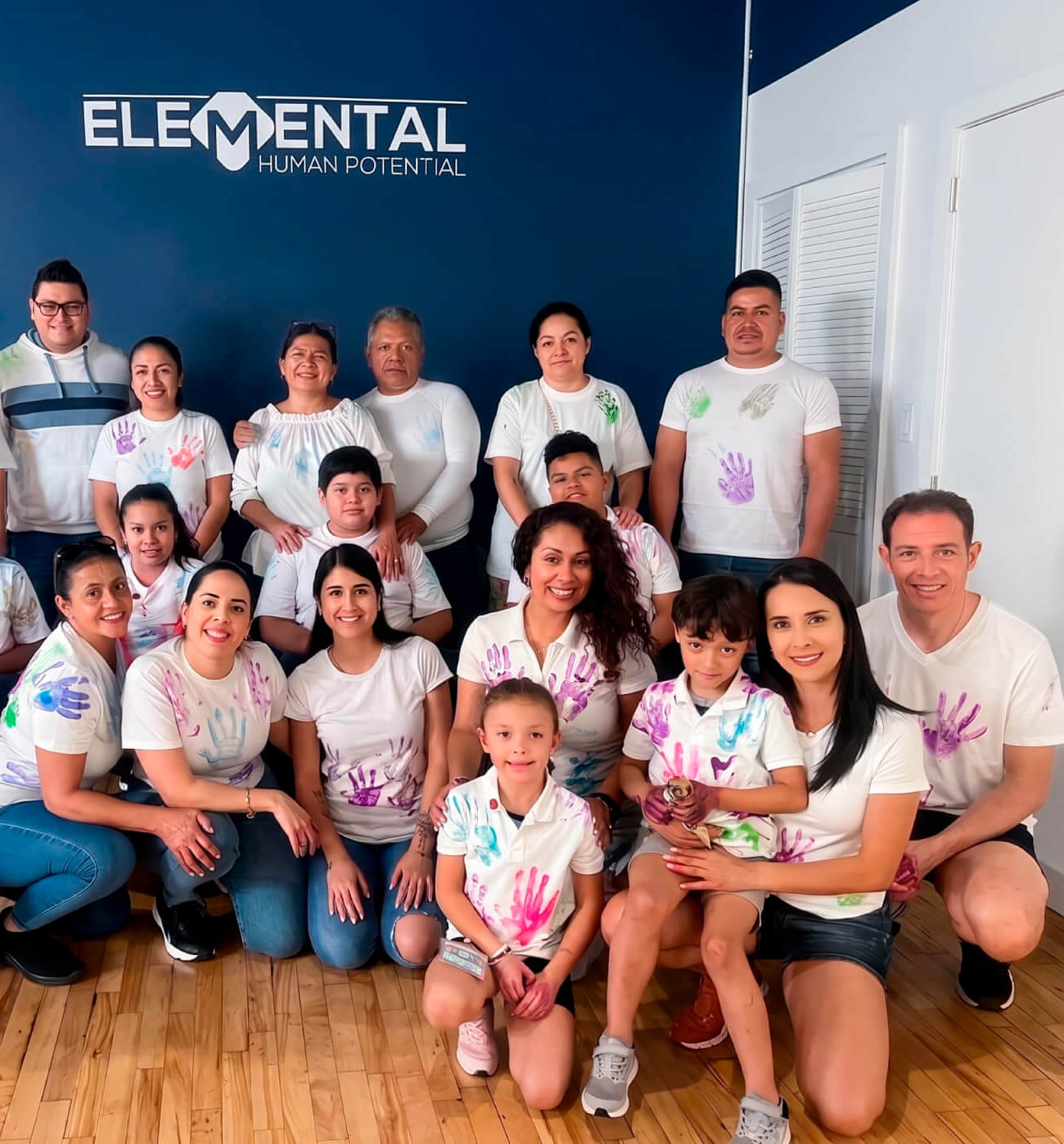
Your child is learning much more than math or reading: how to relate to others, express what they feel, get back up after a mistake and decide when you’re not by their side.
Those small everyday situations are opportunities to develop confidence, communication, empathy and responsibility.
We don’t come to tell them who they should be. We create experiences so they can discover their abilities and learn to use them.
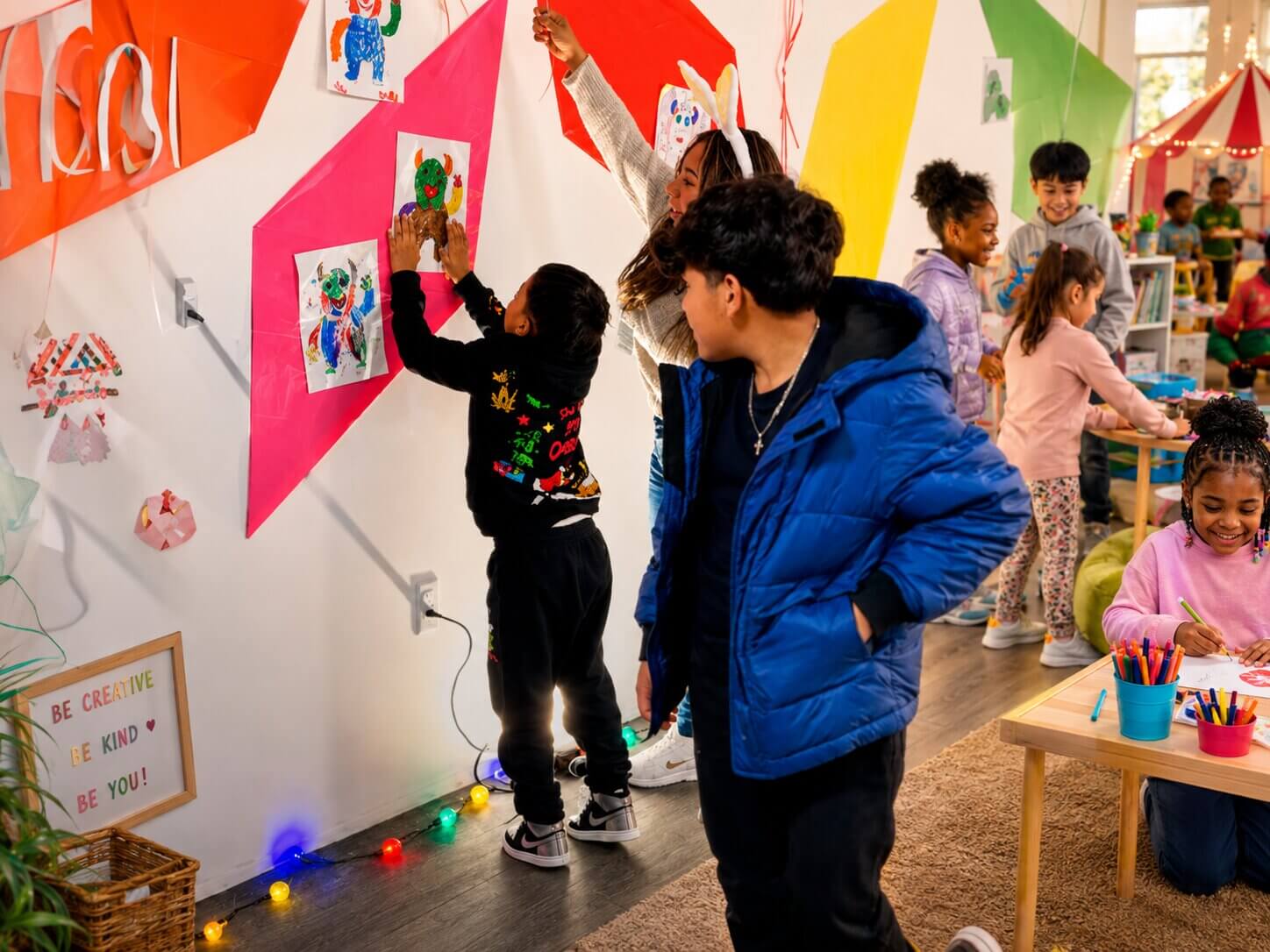
Games, stories, movement, creativity and group dynamics. Every activity has a purpose: a game teaches collaboration, a story helps recognize an emotion, a challenge shows that making a mistake isn’t failing.
It isn’t an adult lecture adapted for children.
They participate and have fun. At the same time, they develop abilities for life.
We don’t want them to stop feeling anger, sadness, fear or frustration. We want them to discover they can feel an emotion without being driven by it.
Through age-appropriate stories and activities, they learn to ask for space or support and to choose a response that doesn’t hurt them or others.
When a child says “I can’t”, they’re often expressing fear or frustration, not an inability. We want them to swap that phrase for a new question.
“I can’t do it”“What do I need to learn, try or ask for to take the next step?”
Communicating is listening, waiting your turn, respecting a boundary and understanding that someone else may think differently. A conflict doesn’t have to end a friendship.
A mistake can be information, not a definition of who they are. We celebrate curiosity, effort and cooperation, not only whoever gets there first.
Depending on the format of each edition, families receive guidance on the practices used in the experience. They aren’t techniques to control behavior: they’re a shared language.
Besides asking “Why did you do that?”, we can ask:
“What were you feeling? What did you need? What could your next step be?”
A distinction is something that, once you recognize it, changes the way you see a situation. Children live it through experiences; they don’t memorize it.
isn’t the same as acting from anger.
doesn’t mean being a failure.
isn’t always a fact.
doesn’t mean being less.
doesn’t mean agreeing.
aren’t the same.
We don’t use humiliation, comparisons between participants, public punishment or labels like “the difficult one” or “the shy one”. The team supports each child respecting their age and their moment.
Elemental Kids is a personal-development and life-skills training. It isn’t child therapy and doesn’t diagnose or treat medical, emotional or behavioral conditions.
We want you to get to know the experience before enrolling your child. If your question isn’t here, message us.
Talk to a facilitator →
{{ fq.a }}
Elemental Kids doesn’t tell them who they have to be. It lets them discover everything they can already start creating.
Bilingual experience. Limited spots to preserve each child’s participation and support.